Predicting Customer Churn with AI: A Proactive Approach
Understanding the Churn Lifecycle
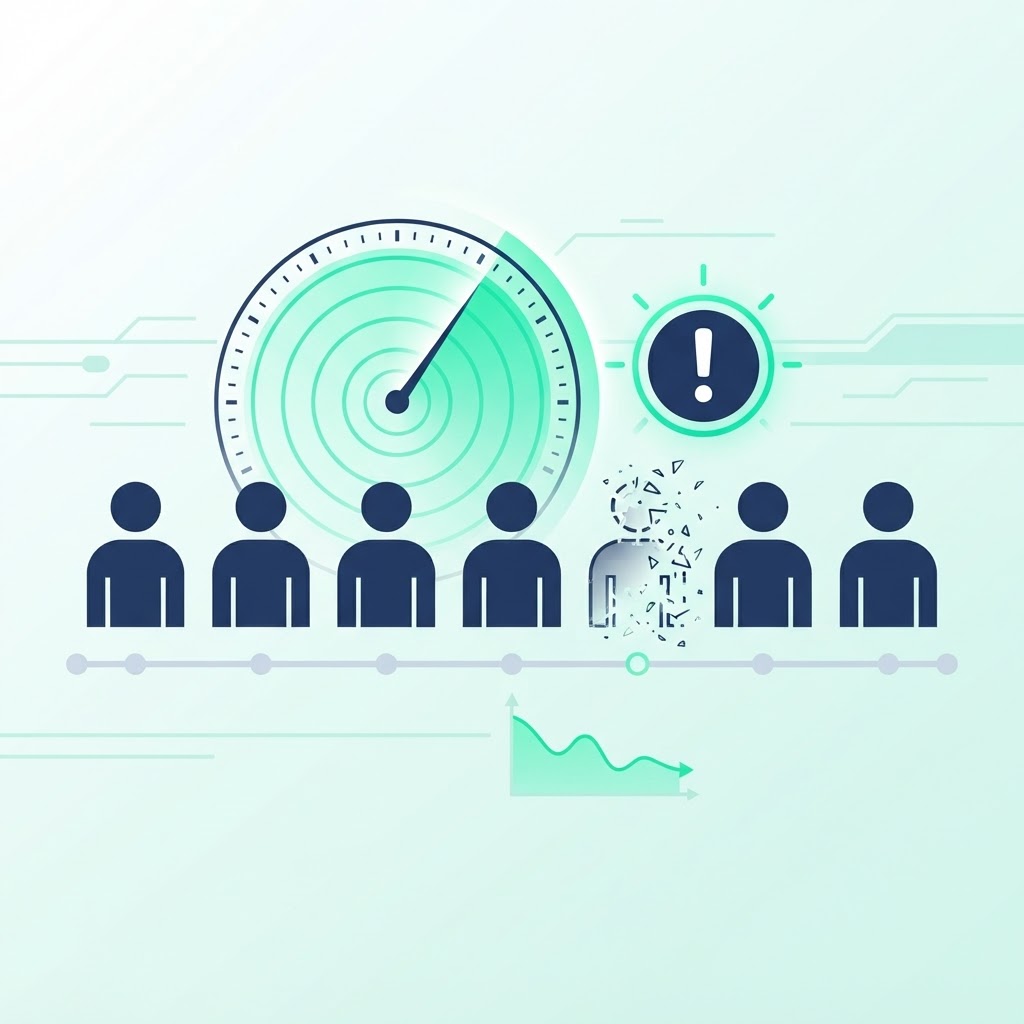
Churn is the silent killer of e-commerce profitability. A customer who stops buying from you isn't always an angry customer; often, they are simply a 'forgotten' customer. Predicting when a user is likely to lapse requires analyzing behavioral patterns—such as the time between purchases, engagement with emails, and site visit frequency.
Leveraging Data for Retention
- RFM Modeling: Use Recency, Frequency, and Monetary data to segment customers who are at risk.
- Predictive Triggers: AI can identify when a customer’s behavior deviates from their normal pattern.
- Intervention Channels: Once identified, use high-engagement channels like WhatsApp to offer a personalized incentive to return.
The Role of Personalized Communication
Once your AI model identifies a customer who is slipping away, the 'recovery' phase begins. This is where tools like CartKeeper shine. Instead of a generic 'We miss you' blast that hits the spam folder, a targeted WhatsApp message feels like a genuine check-in. By predicting the churn window, you can time your offers perfectly.
Implementing a Strategy
Start small. Identify your top 20% of customers and monitor their behavior closely. If they haven't purchased in a time frame 50% longer than their average, that is your trigger. By setting up automated recovery sequences, you can re-engage these customers before they migrate to a competitor. In the long run, this focus on retention reduces your Customer Acquisition Cost (CAC) and significantly boosts your Lifetime Value (LTV).